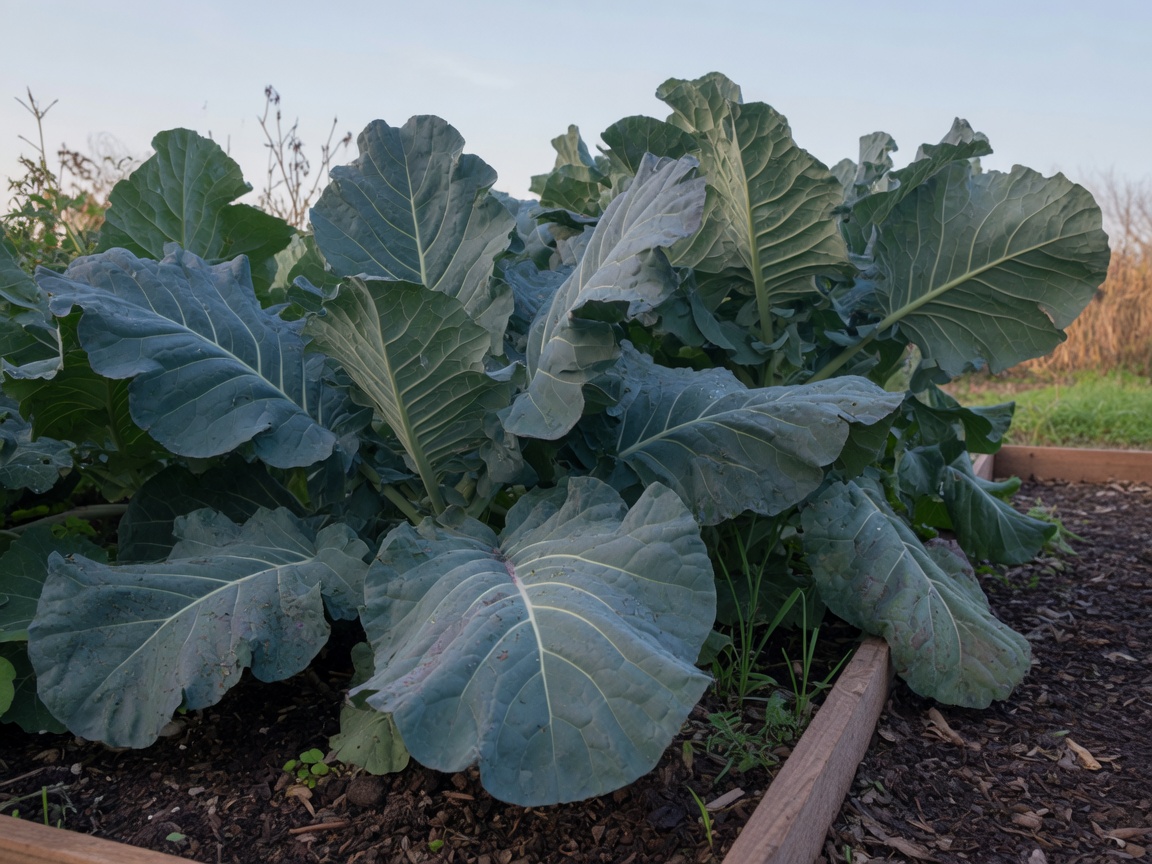
The short checklist
- When: Fall plantings shine; also late winter/early spring.
- Sun: Full sun to light shade.
- Soil: Rich, moist.
- Water: Even.
- Harvest: Outer leaves ongoing.
How to actually do this
Plant for fall so greens size into cool weather. Keep soil moist and fertile, watch for green caterpillars, harvest outer leaves. After frost they often taste better - Texas finally does something kind.
Top ways people mess this up
- Trying them as a July main crop without shade and tears.
- Ignoring caterpillars.
- Never harvesting until leaves are truck-tire tough.
Field notes
- Cool-season brassica - fall is primary quality window.
- Caterpillars and aphids expected - row cover early.
- Frost often improves flavor.
- Steady N for leaf yield.
- Succession plantings extend harvest.
Crop biology
Brassica oleracea collards: non-heading leafy greens for cool weather. Heat increases toughness and pest management load.
Failure mode
Midsummer-only plantings without water/shade are bitterness generators.
Sun / soil / water / feed
Sun: full in cool months; light shade if shouldering heat. Soil: fertile moist drained high OM. Water: even; mulch. Feed: moderate-high N; side-dress for continuous leaves.
Dallas timing
- Fall: late summer-fall for winter greens.
- Spring: late winter-early spring for early greens.
- Summer: only with serious mitigation.
Extras / pests / harvest
Row cover for worms. Harvest outer leaves. Overwinter in mild years. Cabbageworms and aphids - see pests.
Unit close
Fall timing, rich moist soil, worm patrol, outer-leaf harvest. Collards make Dallas a two-season city.